






Choosing and Applying Single-Component Road Marking Paint
Single-component road marking paint is a cold-applied line paint that is used straight from the container without mixing in a hardener and dries as its solvent or water evaporates. It is used for lane lines, parking bays, pedestrian crossings, bus stops, arrows and lettering on asphalt and concrete. Because it is ready to use, it is a practical choice for car parks, private roads and other medium-sized jobs.
Paint Types
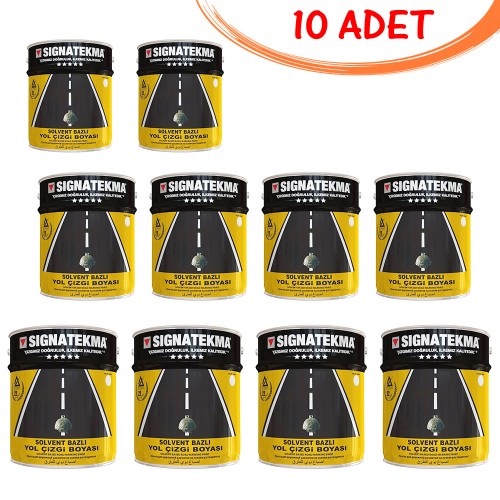
- MMA acrylic, solvent-based (25 kg): its elastic film moves with the surface and resists cracking; suitable for urban roads, car parks and pedestrian crossings.
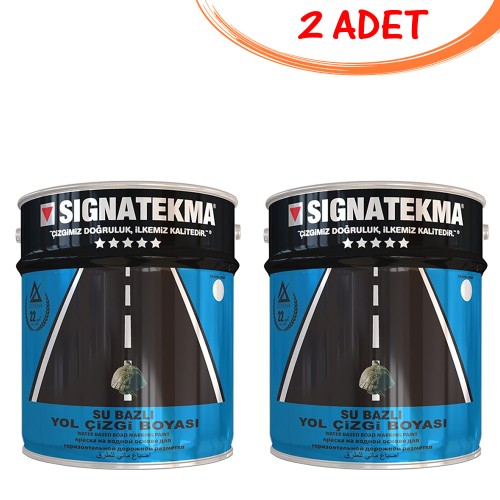
- Water-based road marking paint (Hydral, 25 kg): contains no solvent and dries as the water evaporates; available in several colours.
- Alkyd kerb and column paint (25 kg): for painting and numbering kerbs and underground car park columns and walls.
- Acrylic safety line paint (5 and 20 kg): for walkways and safety lines inside factories.
- Grassline turf paint (3 and 10 kg): water-based, in white and green, for grass pitches.
Application Advice
Solvent-based road marking paints are typically sprayed at a thickness of 350–800 microns; rollers and brushes can be used on small areas. Drop glass beads onto the wet paint for night visibility. The surface must be clean, dry and dust-free, and paint should be applied in dry weather. Do not apply MMA paint over old alkyd paint, and test a small area first if you are unsure.
Frequently Asked Questions
What is the difference between single and two-component paint? Single-component paint is applied as supplied and dries as the solvent or water evaporates. Two-component paint is mixed with a hardener, cures by chemical reaction and is usually applied thicker.
Water-based or solvent-based? Water-based paint contains no solvent, which suits sensitive or semi-enclosed areas. Solvent-based paint dries faster in cool, damp weather, giving a wider application window.
Do I need to buy glass beads separately? Yes. Glass beads are sold separately and dropped onto wet paint on road and car park lines that need retroreflectivity.