

Stock: In Stock
SKU: 230 A R
Direction Sign - Right Hand Sign - Round Plastic Warning SignWhat is a round plastic warning sign?Pl..
330 TL + KDV
330 TL + KDV
Stock: In Stock
SKU: 239 A R
Stop Sign Sign - Round Plastic Warning SignWhat is a round plastic warning sign?Plastic warning sign..
330 TL + KDV
330 TL + KDV
Stock: In Stock
SKU: 611 A R
Traffic Signs Mandatory Right Direction - Round Plastic Warning SignWhat is a round plastic warning ..
330 TL + KDV
330 TL + KDV
Stock: In Stock
SKU: 234 A R
Give way to Oncoming Traffic Sign - Round Plastic Warning SignWhat is a round plastic warning sign?P..
330 TL + KDV
330 TL + KDV
Stock: In Stock
SKU: 229 A R
Direction Sign - Take Left Hand Sign - Round Plastic Warning SignWhat is a round plastic warning sig..
330 TL + KDV
330 TL + KDV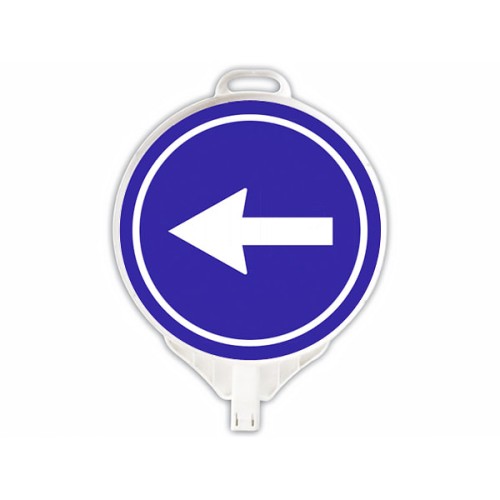
Stock: In Stock
SKU: 222 A R
Mandatory Direction Sign - Left Forced Direction - Round Plastic Warning SignWhat is a round plastic..
440 TL + KDV
440 TL + KDV
Stock: In Stock
SKU: 221 A R
No Entry Sign - Round Plastic Warning SignWhat is a round plastic warning sign?Plastic warning sign;..
330 TL + KDV
330 TL + KDV
Stock: In Stock
SKU: 295 A F
No Parking Sign - Round Plastic Warning SignWhat is a round plastic warning sign?Plastic warning sig..
386 TL + KDV
386 TL + KDV
Stock: In Stock
SKU: 601 A R
Maximum Speed 30 km Sign - Round Plastic Warning SignWhat is a round plastic warning sign?Plastic wa..
330 TL + KDV
330 TL + KDV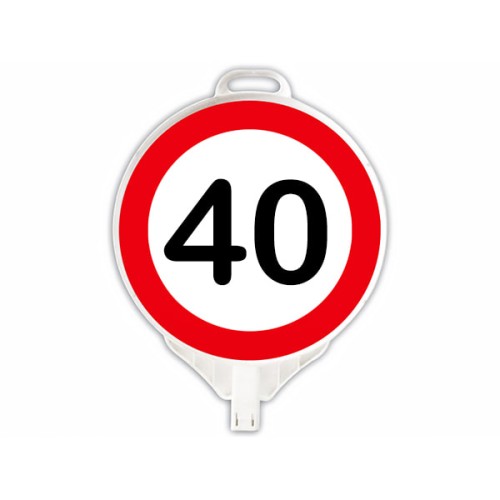
Stock: In Stock
SKU: 602 A R
Maximum Speed 40 km Sign - Round Plastic Warning SignWhat is a round plastic warning sign?Plastic wa..
330 TL + KDV
330 TL + KDV
Stock: In Stock
SKU: 603 A R
Maximum Speed 50 km Sign - Round Plastic Warning SignWhat is a round plastic warning sign?Plastic wa..
330 TL + KDV
330 TL + KDV
Stock: In Stock
SKU: 604 A R
Maximum Speed 60 km Sign - Round Plastic Warning SignWhat is a round plastic warning sign?Plastic wa..
330 TL + KDV
330 TL + KDV
Stock: In Stock
SKU: 605 A R
Maximum Speed 70 km Sign - Round Plastic Warning SignWhat is a round plastic warning sign?Plastic wa..
330 TL + KDV
330 TL + KDV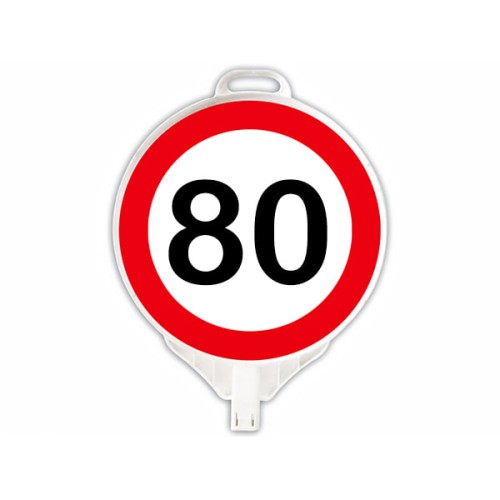
Stock: In Stock
SKU: 606 A R
Maximum Speed 80 km Sign - Round Plastic Warning SignWhat is a round plastic warning sign?Plastic wa..
330 TL + KDV
330 TL + KDV
Stock: In Stock
SKU: 607 A R
Maximum Speed 90 km Sign - Round Plastic Warning SignWhat is a round plastic warning sign?Plastic wa..
330 TL + KDV
330 TL + KDV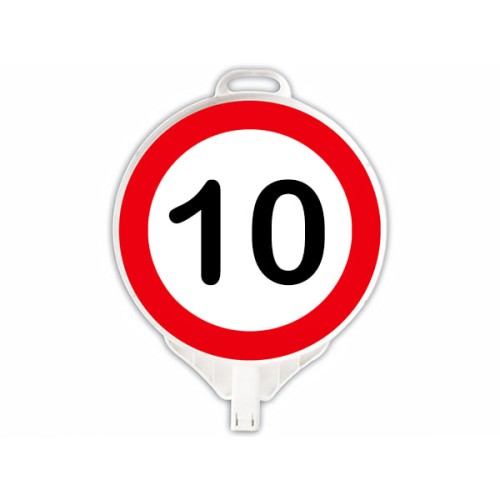
Stock: In Stock
SKU: 600 A R
Maximum Speed 10 km Sign - Round Plastic Warning SignWhat is a round plastic warning sign?Plastic wa..
330 TL + KDV
330 TL + KDV
Stock: In Stock
SKU: 233 A R
Maximum Speed 20 Sign - Round Plastic Warning SignWhat is a round plastic warning sign?Plastic warni..
330 TL + KDV
330 TL + KDV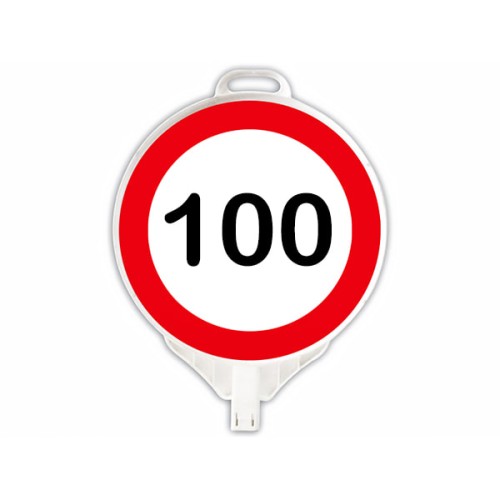
Stock: In Stock
SKU: 608 A R
Maximum Speed 100 km Sign - Round Plastic Warning SignWhat is a round plastic warning sign?Plastic w..
330 TL + KDV
330 TL + KDV
Stock: In Stock
SKU: 610 A R
Maximum Speed 120 km Sign - Round Plastic Warning SignWhat is a round plastic warning sign?Plastic w..
330 TL + KDV
330 TL + KDV
Stock: In Stock
SKU: 609 A R
Maximum Speed 110 km Sign - Round Plastic Warning SignWhat is a round plastic warning sign?Plastic w..
330 TL + KDV
330 TL + KDV

Stock: In Stock
SKU: 612 A R
30 km Speed Limit - Maximum Speed Sign - Round Plastic Warning SignWhat is a round plastic warning s..
330 TL + KDV
330 TL + KDV

Stock: In Stock
SKU: 613 A R
50 km Speed Limit Sign - Maximum Speed Sign - Round Plastic Warning SignWhat is a round plastic warn..
330 TL + KDV
330 TL + KDV

Stock: In Stock
SKU: 124 A F
Parking Prohibition Sign - Round Plastic Warning SignWhat is a round plastic warning sign?Plastic wa..
336 TL + KDV
336 TL + KDV

Stock: In Stock
SKU: 615 A R
No Smoking Sign - Round Plastic Warning SignWhat is a round plastic warning sign?Plastic warning sig..
330 TL + KDV
330 TL + KDV

Stock: In Stock
SKU: 614 A R
Plastic Advertising Sign - Round Promotion SignWhat is a rectangular promotional sign?Special advert..
330 TL + KDV
330 TL + KDVShowing 1 to 25 of 25 (1 Pages)