
Stock: In Stock
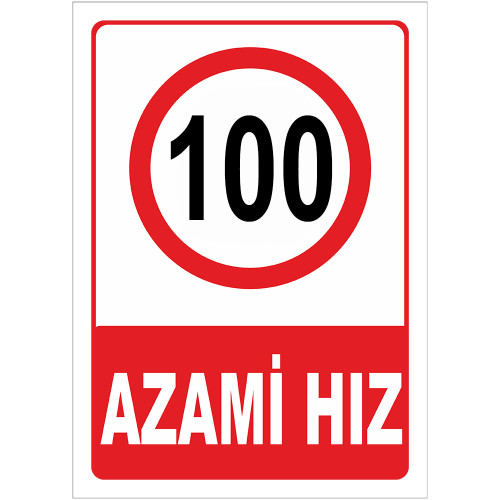
SKU: AHL100
The maximum speed limit Decking is 100 km; It is a durable and effective traffic decking used to reg..
741 TL + KDV
741 TL + KDV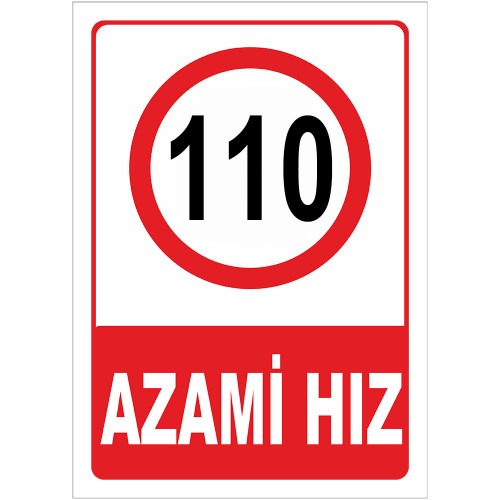
Stock: In Stock
SKU: AHL110
The maximum speed limit sign is 110 km; It offers a durable and effective solution that is used to e..
741 TL + KDV
741 TL + KDV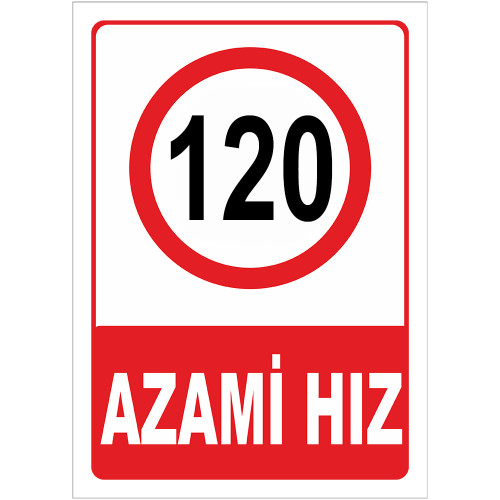
Stock: In Stock
SKU: AHL120
The maximum speed limit sign is 120 km; it clearly informs drivers of the legal speed limit in areas..
741 TL + KDV
741 TL + KDV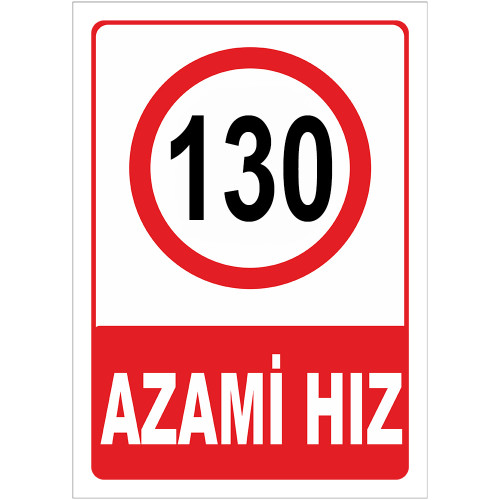
Stock: In Stock
SKU: AHL130
The maximum speed limit sign is 130 km; it is a traffic sign used to set speed limits on motorways a..
741 TL + KDV
741 TL + KDV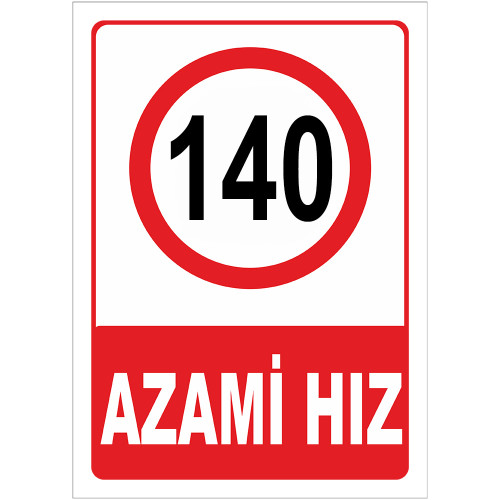
Stock: In Stock
SKU: AHL140
The maximum speed limit Decking is 140 km; it is a durable and effective traffic sign used to clearl..
741 TL + KDV
741 TL + KDV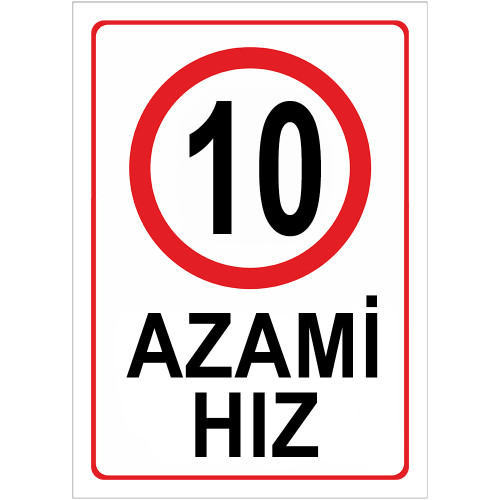
Stock: In Stock
SKU: AHK10
The maximum speed limit is 10 km; it is a durable and effective traffic sign that clearly expresses ..
741 TL + KDV
741 TL + KDV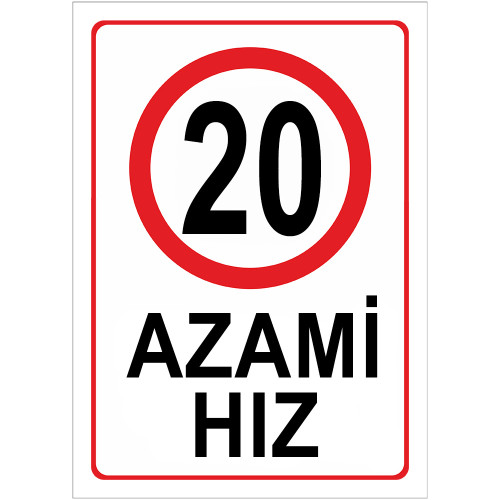
Stock: In Stock
SKU: AHK20
The maximum speed limit is 20 km; it is a durable and reliable traffic sign that contributes to ensu..
741 TL + KDV
741 TL + KDV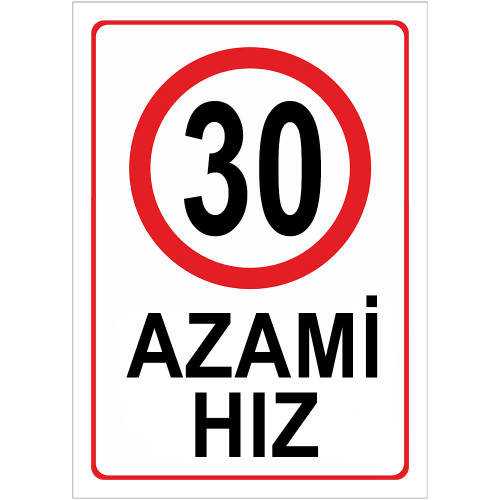
Stock: In Stock
SKU: AHK30
The maximum speed limit is 30 km; The Maximum Speed Limit 30 km Sign, designed to ensure that driver..
741 TL + KDV
741 TL + KDV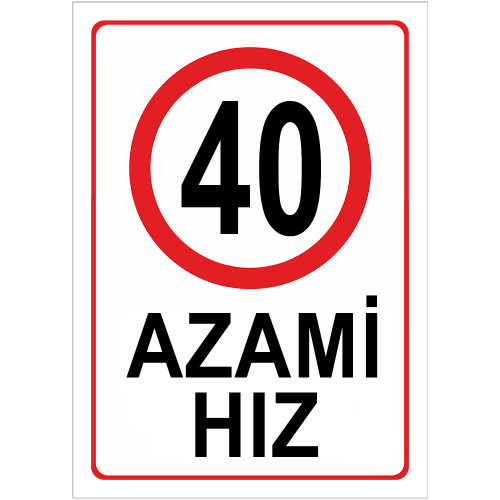
Stock: In Stock
SKU: AHK40
The maximum speed limit is 40 km; it is a durable and high-visibility traffic sign used to ensure th..
741 TL + KDV
741 TL + KDV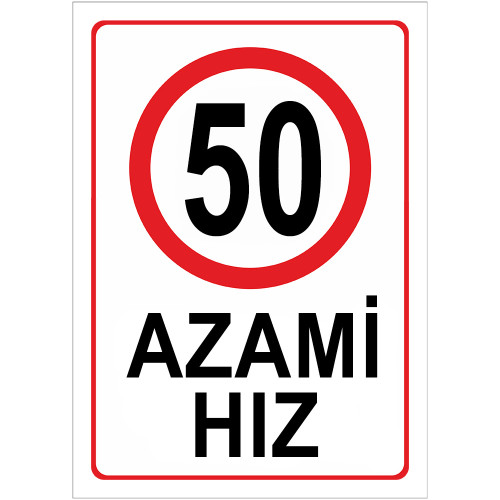
Stock: In Stock
SKU: AHK50
The maximum speed limit is 50 km; it is a durable and high-visibility traffic sign designed to clear..
741 TL + KDV
741 TL + KDV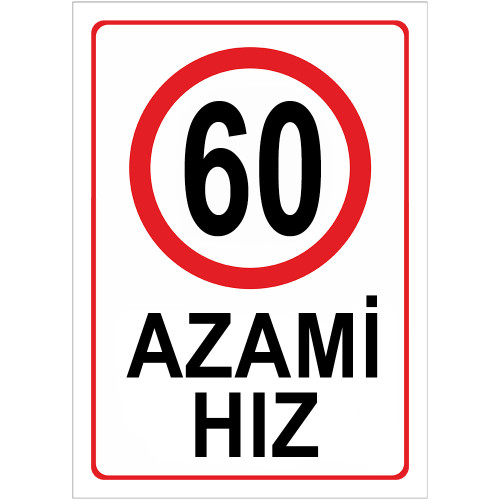
Stock: In Stock
SKU: AHK60
The maximum speed limit is 60 km; it is a durable and long-lasting traffic sign indicating the maxim..
741 TL + KDV
741 TL + KDV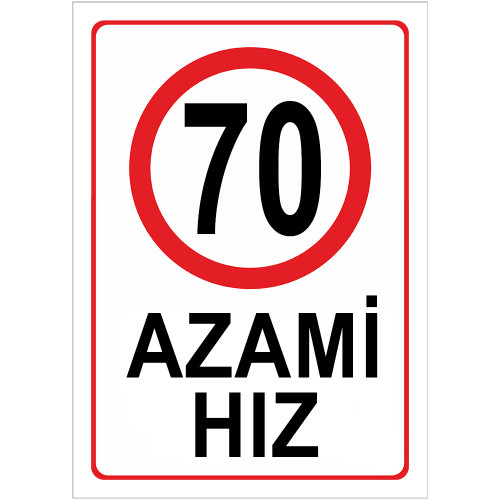
Stock: In Stock
SKU: AHK70
The maximum speed limit is 70 km; it is a durable and high-visibility traffic sign designed to allow..
741 TL + KDV
741 TL + KDV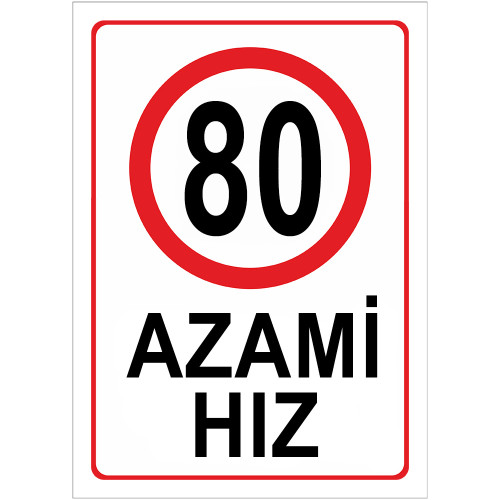
Stock: In Stock
SKU: AHK80
The maximum speed limit is 80 km; Speed limit signs, which are one of the most important elements in..
741 TL + KDV
741 TL + KDV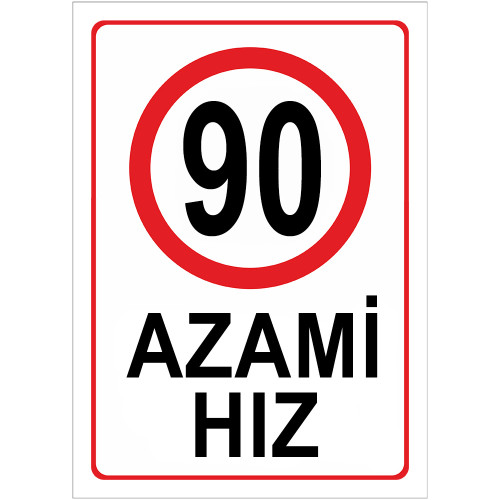
Stock: In Stock
SKU: AHK90
The maximum speed limit is 90 km; It is a durable and high-visibility traffic sign designed to clear..
741 TL + KDV
741 TL + KDV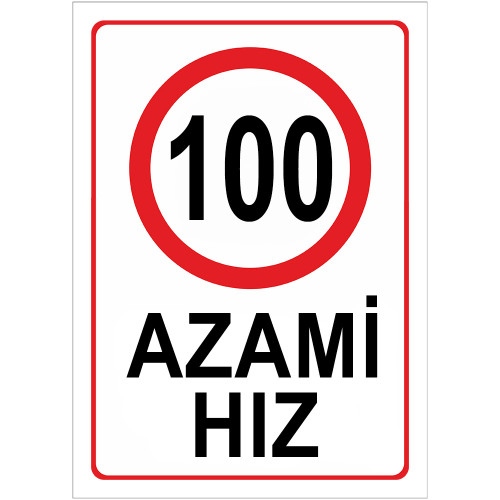
Stock: In Stock
SKU: AHK100
The maximum speed limit is 100 km; The "Maximum Speed Limit is 100 km" sign, which is of great impor..
741 TL + KDV
741 TL + KDV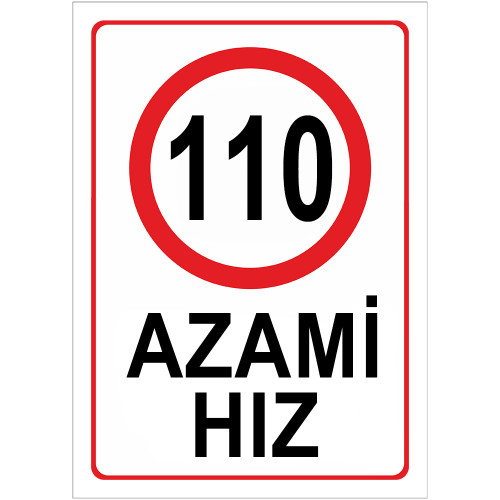
Stock: In Stock
SKU: AHK110
The maximum speed limit is 110 km; it is an important warning tool that reminds drivers to comply wi..
741 TL + KDV
741 TL + KDV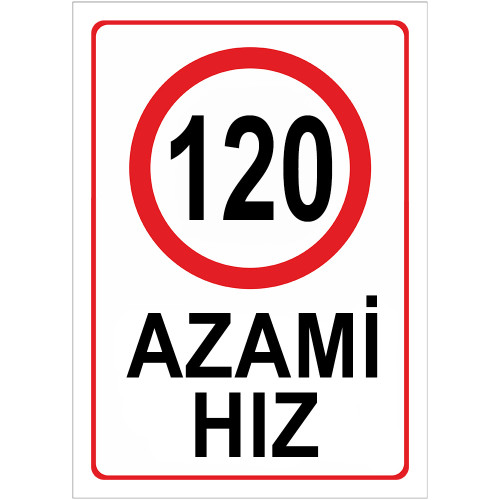
Stock: In Stock
SKU: AHK120
The maximum speed limit is 120 km; it is designed to clearly indicate the maximum speed limit on mot..
741 TL + KDV
741 TL + KDV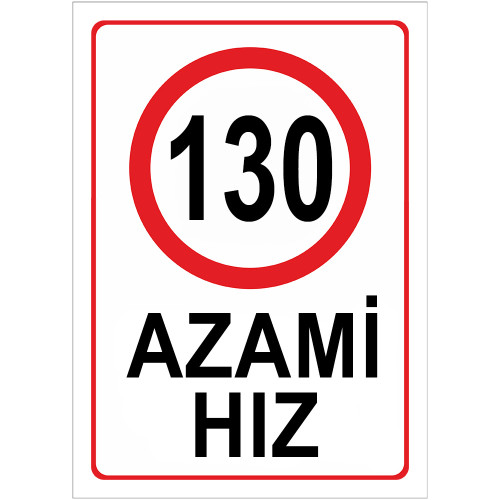
Stock: In Stock
SKU: AHK130
The maximum speed limit is 130 km; it is a durable and remarkable traffic sign used to ensure that d..
741 TL + KDV
741 TL + KDV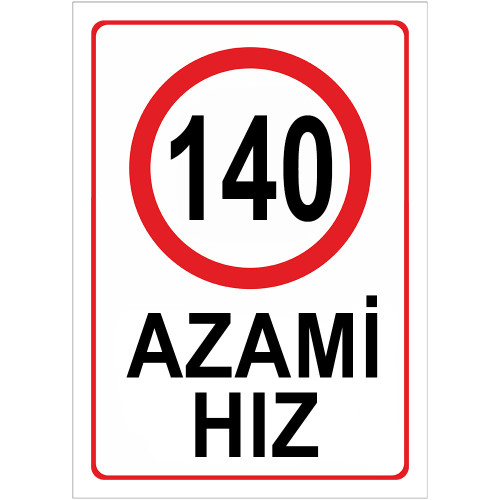
Stock: In Stock
SKU: AHK140
The maximum speed limit is 140 km; it is a durable and reliable traffic sign designed to clearly ind..
741 TL + KDV
741 TL + KDV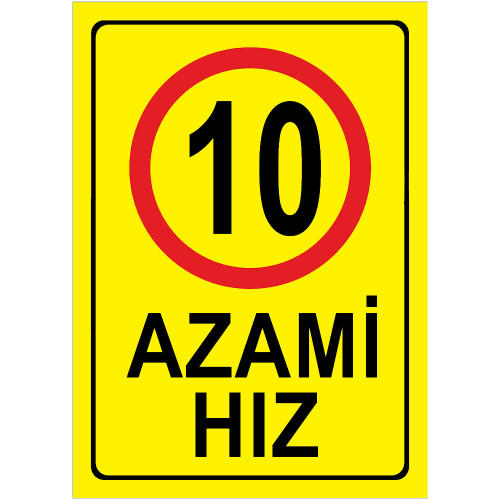
Stock: In Stock
SKU: AHS10
The maximum speed limit sign is 10 km; The Maximum Speed Limit sign is 10 km, which is used to ensur..
741 TL + KDV
741 TL + KDV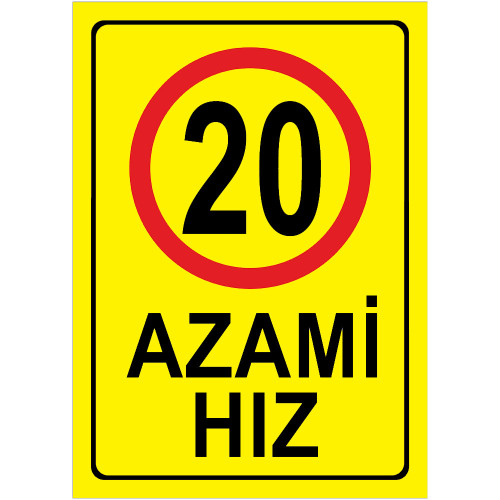
Stock: In Stock
SKU: AHS20
The maximum speed limit sign 20 km is designed to clearly indicate the maximum speed limit that driv..
741 TL + KDV
741 TL + KDV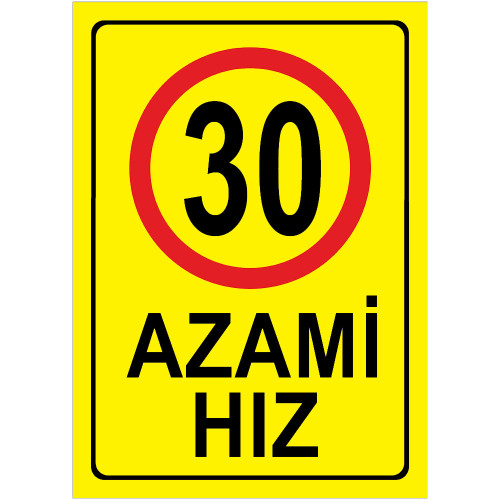
Stock: In Stock
SKU: AHS30
The maximum speed limit sign is 30 km; it is an effective traffic sign used for the purpose of regul..
741 TL + KDV
741 TL + KDV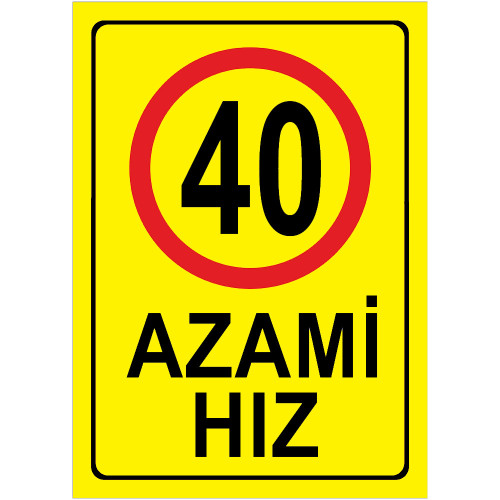
Stock: In Stock
SKU: AHS40
The maximum speed limit sign is 40 km; It is a durable and remarkable traffic sign designed to regul..
741 TL + KDV
741 TL + KDV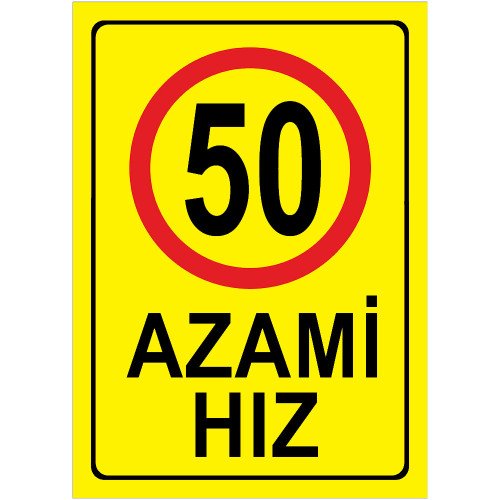
Stock: In Stock
SKU: AHS50
The maximum speed limit sign is 50 km; it is an important traffic sign that clearly indicates the sp..
741 TL + KDV
741 TL + KDV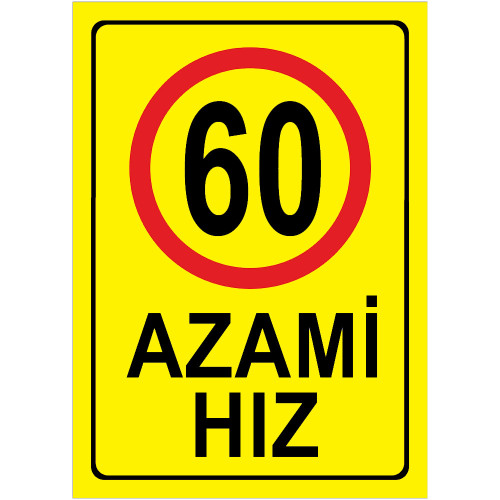
Stock: In Stock
SKU: AHS60
The maximum speed limit sign is 60 km; it is a safety-oriented traffic sign used to inform vehicle d..
741 TL + KDV
741 TL + KDV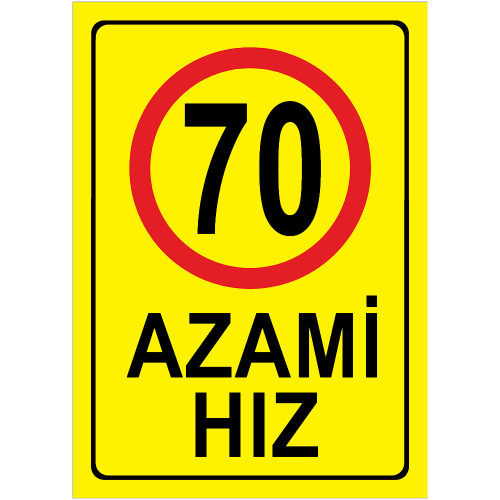
Stock: In Stock
SKU: AHS70
The maximum speed limit sign is 70 km; it is a durable and remarkable traffic sign used to clearly s..
741 TL + KDV
741 TL + KDV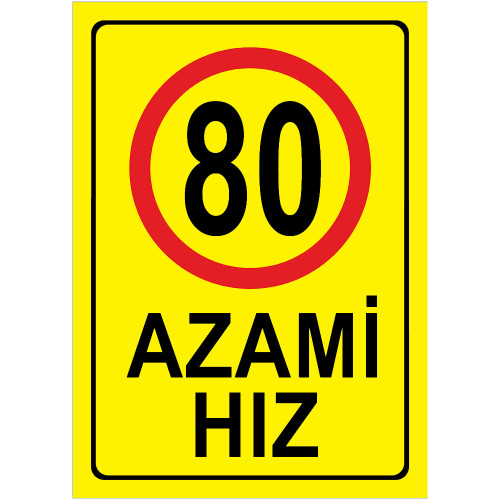
Stock: In Stock
SKU: AHS80
The maximum speed limit sign is 80 km; it is an important traffic sign used to ensure the safe and o..
741 TL + KDV
741 TL + KDV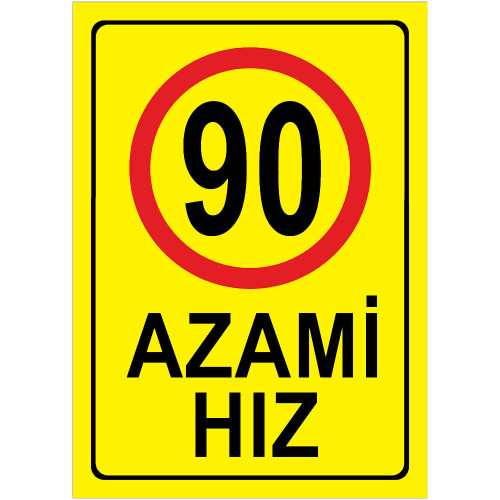
Stock: In Stock
SKU: AHS90
The maximum speed limit sign is 90 km; it reminds drivers of the maximum speed limit that they must ..
741 TL + KDV
741 TL + KDV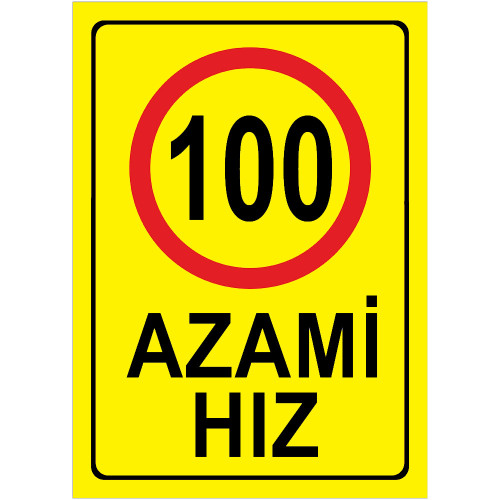
Stock: In Stock
SKU: AHS100
The maximum speed limit sign is 100 km; it is one of the basic signs used to maintain order in traff..
741 TL + KDV
741 TL + KDV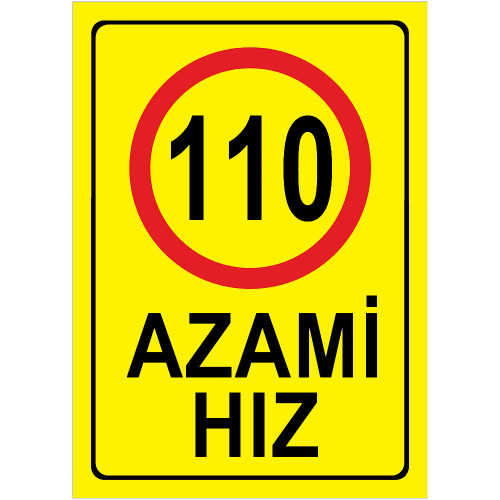
Stock: In Stock
SKU: AHS110
The maximum speed limit sign is 110 km; traffic safety is ensured by drivers acting in accordance wi..
741 TL + KDV
741 TL + KDV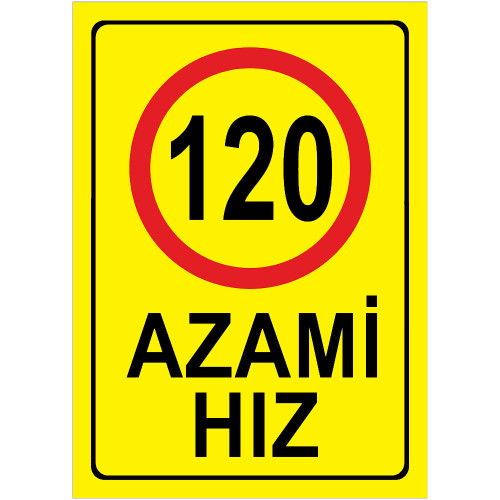
Stock: In Stock
SKU: AHS120
Maximum speed limit Decking 120 km is a durable and high visibility traffic sign designed to clearly..
741 TL + KDV
741 TL + KDV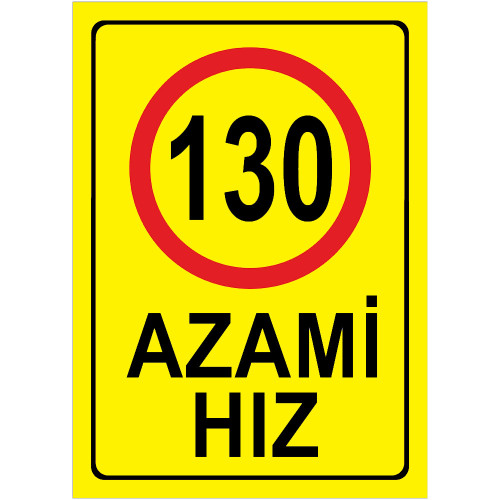
Stock: In Stock
SKU: AHS130
Maximum speed limit sign 130 km; It is a traffic sign used to attract the attention of drivers on hi..
741 TL + KDV
741 TL + KDV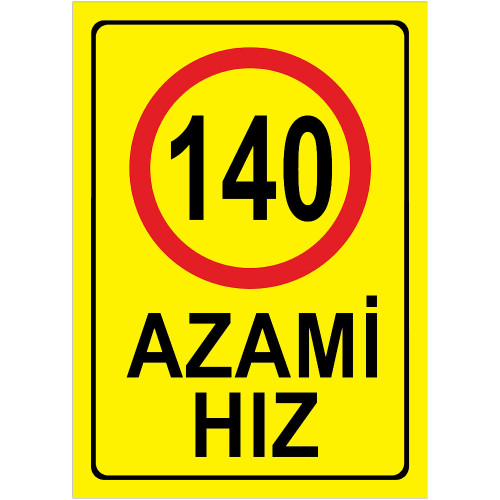
Stock: In Stock
SKU: AHS140
The maximum speed limit sign is 140 km; it is a durable and effective traffic sign that helps driver..
741 TL + KDV
741 TL + KDV